Seven guides. One for each type of microdoser.
A practical guide to microdosing mushrooms for creative flow and mood. What the research shows, the protocol that fits how artists actually work, and the honest limits of what microdosing can do for your craft.
Read →The complete Stamets Stack protocol: what's in it, why each ingredient is there, the dosing schedule, the science, and the honest limits of what the research currently shows.
Read →An honest, careful guide to using microdosing as part of a trauma healing practice. What the research shows, what to expect, and what the practice cannot do for you.
Read →A guide for experienced microdosers (and meditators new to mushrooms) who want to build a sustainable, integration-focused daily practice rather than chasing the next experience.
Read →A practical guide to microdosing mushrooms in your 50s, 60s, and beyond. What the research shows about cognitive aging, the safety considerations specific to older adults, and the protocol that fits a longer view of life.
Read →An honest, safety-first guide to microdosing mushrooms for anxiety, depression, and depletion, including what to know if you're already on antidepressants or running on empty.
Read →A guide to microdosing for people who want to be more present in their relationships. What the research shows about psilocybin and social cognition, and how to time the practice around the people you love.
Read →How it works in the brain. Honest about what's still unknown.
What microdosing actually is, how it works, who it's for, what it isn't, and what the research does and doesn't support. The plain-language primer the rest of the internet should have written.
Read →A clear, research-backed explanation of the Default Mode Network, what it is, why it matters in depression and anxiety, and how psilocybin temporarily quiets it.
Read →A research-backed look at what the published science actually shows about microdosing for depression and anxiety. The major studies, the limits of the data, and what the field still does not know.
Read →How psilocybin promotes growth of new neural connections in the brain — what the rodent and human research shows, and the limits of what we currently know.
Read →What the research actually shows about combining SSRIs and psilocybin, why most people on SSRIs feel little from microdoses, and how to think about tapering safely if you want to start a microdosing practice.
Read →What the practice actually looks like, told by the people doing it.
The desk was there, the tools were there, the ideas were there. But something between the idea and the making had gone quiet. One creative's story of what came back — and why the first thing to return wasn't what they expected.
Read →Sleep dialed, training dialed, macros dialed, HRV tracked since 2019. He'd optimized everything measurable — and then realized the thing he was actually missing wasn't on the spreadsheet.
Read →Years of therapy, a pattern they could describe perfectly, and no power to stop walking it. One community member's story of what changed when microdosing gave them a second of distance between the feeling and the reaction.
Read →She was 38, six years on Lexapro, and couldn't taste her food or feel a hug. This is one community member's story of tapering off SSRIs, starting a microdosing practice, and learning to feel again.
Read →What we stand for and what we don't.
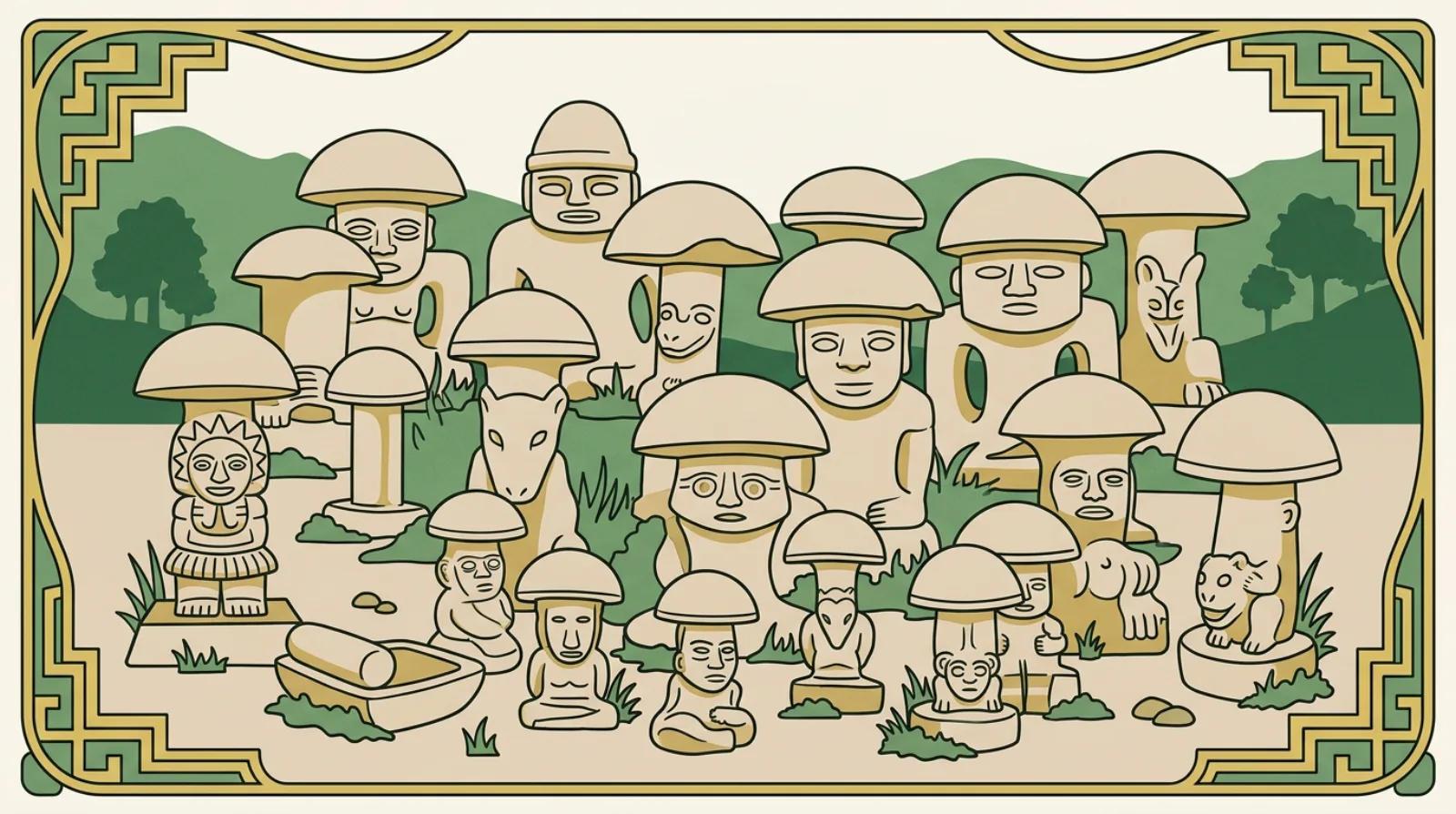
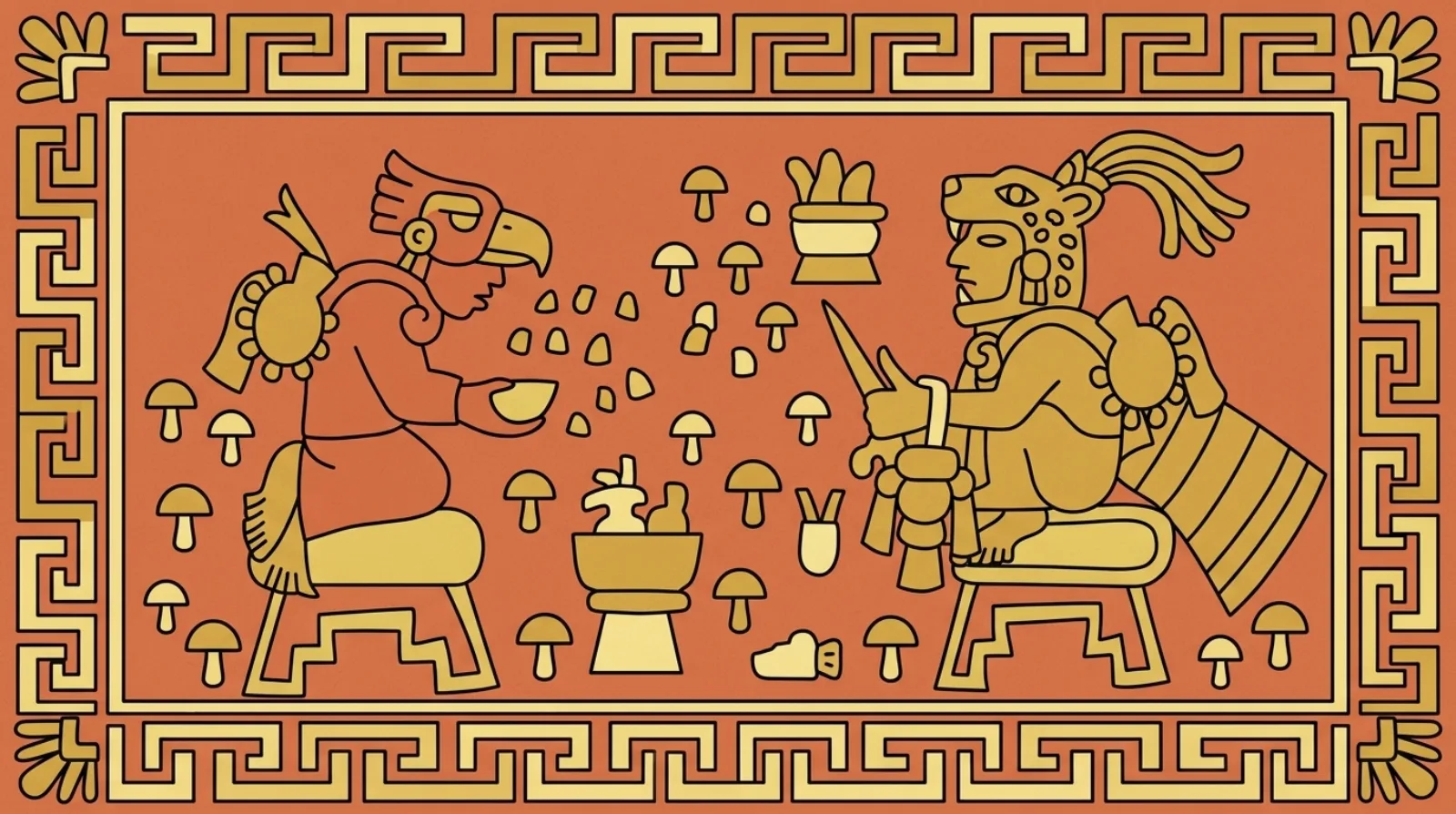
In the highlands of Guatemala, archaeologists have found hundreds of small carved stones shaped like mushrooms, some of them nearly three thousand years old. This is what the stones are, what scholars have argued about them, and why the question is still open.
Read →Before Western science named psilocybin, the Nahua peoples of central Mexico had a word for the mushroom and a practice that surrounded it. This is what the colonial record shows, what it leaves out, and why the name still matters.
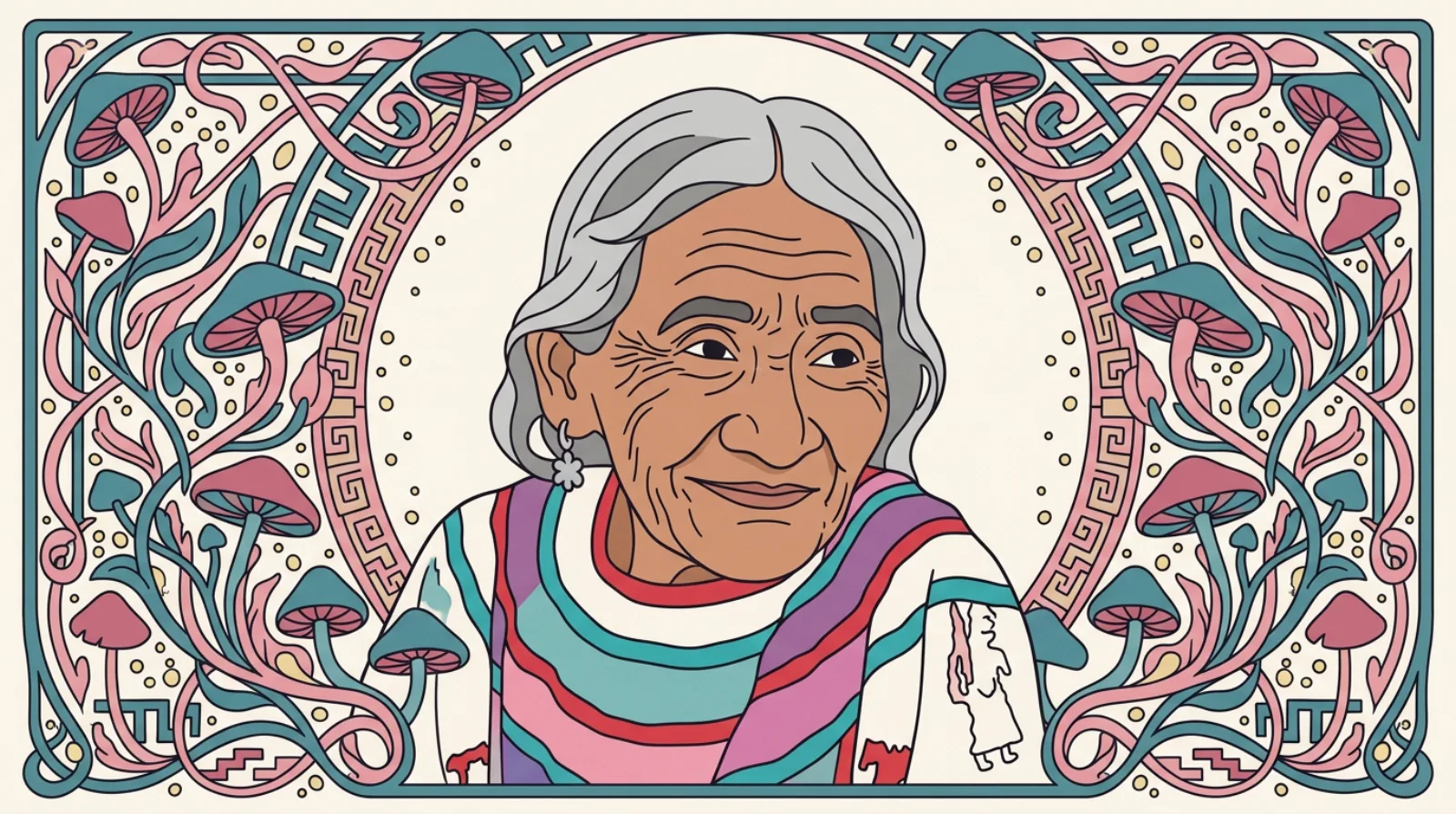
Read →The story of Maria Sabina, the Mazatec curandera who shared the sacred mushroom with the modern world — what she taught, what happened next, and what her tradition asks of us in return.
Read →A first-person account from the founder of The Microdose Movement about why this exists — the wound, the shadow work, and the realization that the tools needed to be in one place.
Read →Why this moment is the window for serious conversations about microdosing and root-cause healing — the convergence of science, cultural readiness, and personal desperation that makes the present different.
Read →Why most wellness brands need you to stay sick to stay profitable, and why The Microdose Movement was built as an education community with no products to sell.
Read →Why much of what passes for modern spirituality is performance rather than practice, and why The Microdose Movement insists on the difference.
Read →Why most modern medicine treats symptoms while leaving the root causes intact, and why The Microdose Movement was built around the opposite principle.
Read →What's happening right now in microdosing.
The psychedelic field in early 2026 is not having one conversation. It is having five or six at the same time, and they do not agree with each other. A map of where the work is, who is doing it, and where the quiet breaks are forming.
Read →The longevity-obsessed founder of Blueprint ran a 249-biomarker psilocybin experiment in November 2025, then livestreamed a six-hour macro dose to a million people. What his published data actually shows, and what it signals about where the biohacker community is going.
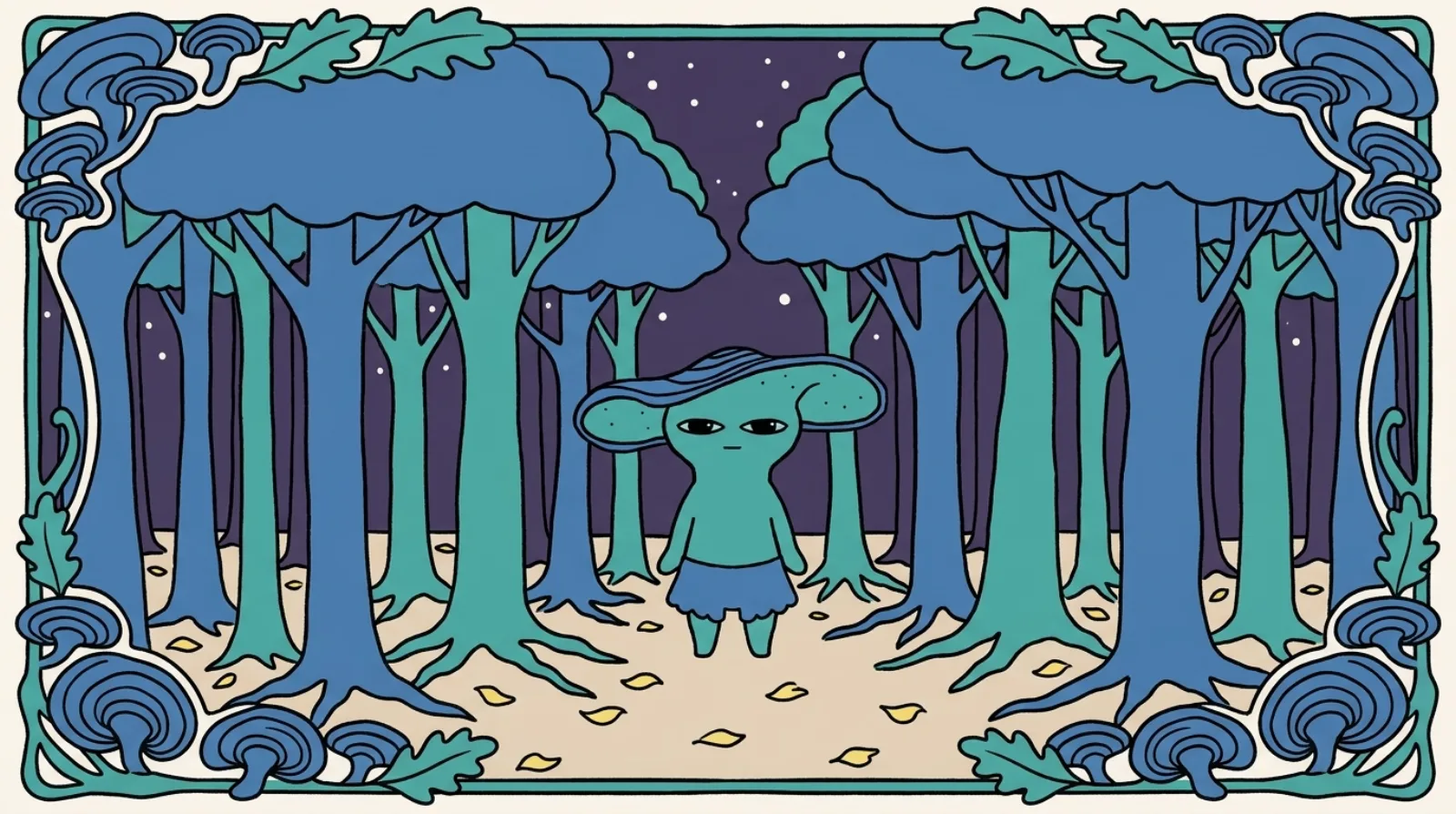
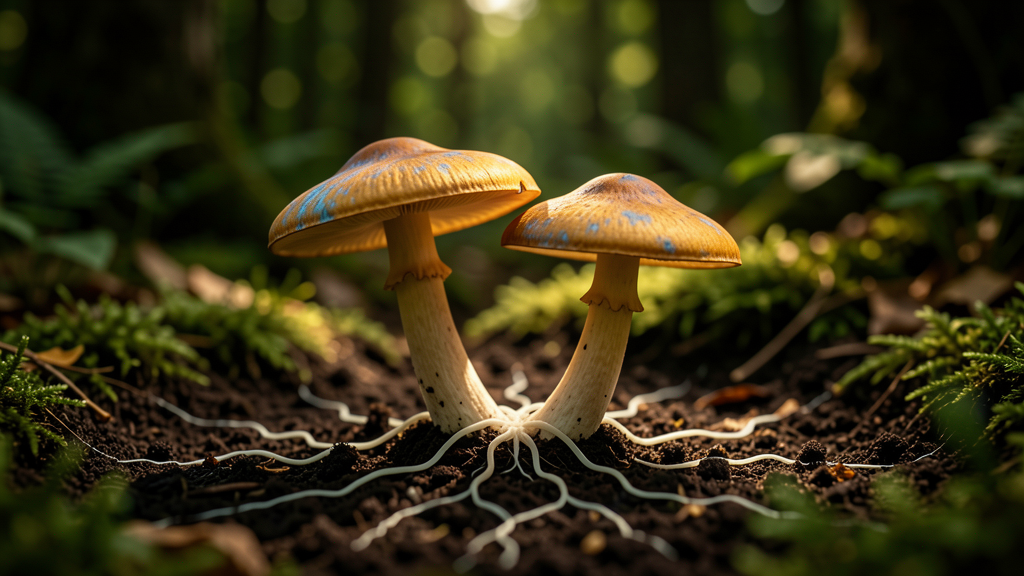
Read →How nature's underground network mirrors the way healing actually works. You were never meant to do this alone.
Read →The mainstream shift toward psychedelic wellness is accelerating. The science, the culture, and the desperation are all converging at the same moment.
Read →THE PRACTICE
The capsule is the door. The work is the walk through it.

Free · 16-page field guide
The science, the protocols, the safety, and the practices that do the actual work. No hype. No fear. Updated for 2026.
Your guide is ready.
A copy is on its way to your inbox. You can also grab it right now:
Download the guide (PDF)